Pages

Showing posts with label Health. Show all posts

Friday, 23 January 2015

The Benefits of Juicing: The Juicy Truth

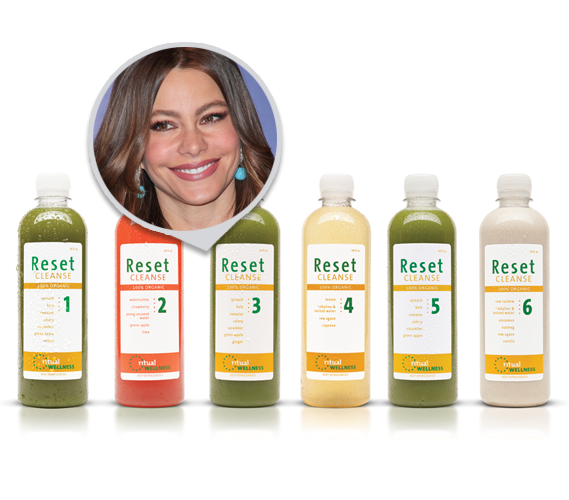
The popularity of juicing has spread like wildfire in recent years, with the juice cleanse industry drawing customers like fruit flies to nectar. Backed by celebrities and celebrity doctors, and promulgated by countless entertainment and media sources, juicing claims to do everything from help you lose pounds, to rid your body of those harmful toxins you've been lugging around. However, even a cursory search of the medical journal databases will quickly reveal that the benefits of juicing may be more anecdotal than scientific.

Though it's hard to argue with the star-power of Demi Moore and Gwyneth Paltrow, it's important to note that juicing may not be all it's cracked up to be, and we may in fact all be drinking nothing but Kool Aid.


Juicing and Weight Loss

While many start a juice cleanse hoping to drop some extra pounds, it is important to note that the simple act of liquefying your fruits and greens won't guarantee that you'll fit into that bikini or drop the beer gut by summer. At times, some weight loss is observed (particularly in more stringent juicing programs); however, this is often a short-term solution, as the scale creeps back up after solid food is reintroduced, and old (unhealthy) habits take over. This yo-yo effect is observed in many crash diets, and let's face it - isn't a juice cleanse just that ... a seemingly healthy crash diet. 

Juicing and Satiety

As Bolton et al's (1981) study showed, participants who eat whole fruits and vegetables experience far greater satiety than those who juice. Indeed, juicing vegetables and fruit will remove a key component that provides a feeling of fullness - fiber. Remember, fiber is filling, not fattening. Claims such as 'drinking juice gives the digestive system a break from fiber' are anecdotal, and false - fiber is a key component to aiding digestion.

It should be noted that some vegetables (and most fruit) such as carrots, beets, oranges, bananas, etc are high in sugar. Juicing these will lead to quick spikes in blood sugar, making juicing diets not recommended for diabetics.  

Keeping blood sugar and insulin stable will help keep you full and satiated and keep the ravenous hunger that often overtakes juicers, post-cleanse, away!

Juicing and the 'Detox Effect'

Our liver and kidneys are already highly tunes detoxification machines. As such, going on a juice fast is unnecessary for ridding your body of toxins. Many will choose to do a juice cleanse after some particularly bad eating (such as over the Christmas period, for example); however, this is not so much a way of helping your body rid itself of the additional chemicals, as a psychological crutch to help you 'feel' lighter and healthier.

If you really want to detox your body rid yourself of the following:

  1. Alcohol
  2. Drugs
  3. Cigarettes / E-Cigarettes
  4. Processed Sugar
  5. Drink more water
  6. Get more sleep
  7. Exercise
  8. Meditate
  9. Hit the Sauna
  10. Say no to processed foods
Detoxing your body is certainly not rocket science; however, it required a level of commitment and discipline. Keep in mind that though juicing may be appealing because it does not require you to make real changes, it is also over-promises on it's detoxifying effect significantly.

To Juice or Not to Juice?

Ultimately, if you're looking for a silver bullet to help you lose weight or detox your body, then juicing is not it! If additional health and well-being are your goals, then the best recommendation would be to eat more vegetables and fruits, rather than to juice them. 

Though juicing will increase the presence of some antioxidants through sheer volume, the process is also subject to rapid oxidation, meaning that the juice needs to be drunk immediately for you to realise the benefits of the additional vitamin boost. However, be mindful of the fact that juicing also removes some crucial elements of the produce, found in the pulp and skin.

Juicing is not cheap and, in my eyes, adds little value in the context of health and well-being. Thus, my verdict: not to juice.

References:

R.P.Bolton, K.W.Heaton, & L.F.Burroughs (1981). The role of dietary fiber in satiety, glucose and insulin: studies with fruit and fruit juice, Am J Clin Nut, 34, 211-217.


Wednesday, 15 January 2014

Plyometrics as a Prevention Strategy for Osteoporosis

Osteoporosis is a worldwide health problem that affects 1 in 3 women and 1 in 5 men, over 50. Data from the International Osteoporosis Foundation indicates that an osteoporotic fracture occurs every 3 seconds, resulting in 8.9 million fractures annually.

If you're not a post-menopausal woman or elderly man, you may be struggling to care about an issue that may not affect you for the foreseeable decades; however, in the case of osteoporosis (much as many things in life), it would seem that an ounce of prevention is worth a pound of cure. 

I would draw your attention to research which suggests that increasing bone mass during and after 'growth' may be an important strategy to ensure the outlook for your future is fifty and fit as a fiddle. Specifically, that increases of Bone Mineral Density of just 3 - 5% can reduce fracture risk by up to 30%. That's a 30% decrease in the likelihood that you will spend your twilight years in and out of hospitals for various replacements or worse - wheelchair bound and institutionalised in a nursing facility.

Plyometric Prevention Plan

In the study at hand, the researchers aimed to investigate the effects that 9 months of plyometric jump training would have on the Bone Mineral Content of adolescent girls (aged 14.6, give or take 6 months, and 22.7, give or take 14 months).

Exercise Protocol

Participants trained three times a week for 30 - 45 minutes. They began with progressive resistance exercises (squats, forward and side lunges, bench stepping and jumping on and off of a 20cm box).

They did about 2 sets, comprising 8 - 12 reps and the intensity was slowly taken from 5 - 15% of their bodyweight over a number of months. This means that a 55kg participant wore a nylon weighted vest weighing 2.75kg - 8.25kg.

The girls also did various plyometric exercises ranging from simple two footed jumps to stair jumping, bounding, and depth jumps from 12 to 24 inch boxes (see below).


Plyometric drills progressed from two sets, 10 reps of five to seven different exercises (100 - 140 jumps) to two to three sets,  2 - 20 reps of 12 - 20 exercises in the final months (360 - 1000 total jumps). While that number sounds extremely high, the researchers were careful to choose the exercises in such a way that the number of high intensity jumps was only between 40 - 100 in the final months.

Results

At the end of 9 months, the trends in bone mineral density observed in the participants led the researchers to suggest that plyometric jump training continued over a longer period may in adolescents may increase peak bone mass.

This could indeed be a novel way to help prevent the onset of osteoporosis in later years by instituting safe and effective behavioural changes in those of a younger age.

Not an adolescent? Fear not, it's never too late to start to reap the benefits of loading on bone mass. In my next blog, I will provide some good starting examples of exercises that can be both practical plyometric methods of inducing bone mineral density and uptake, as well as, fun ways to alter an otherwise boring training routine.


Reference:

Witzke, K. A., & Snow, C. M. (1999). Effects of plyometric jump training on bone mass in adolescent girls. Medicine & Science in Sports & Exercise, 0195-9131/00/3206-1051/0.


Wednesday, 8 January 2014

5 Ways to Make Your New Year's Resolution a Reality

For many, the New Year heralds the start of a fresh beginning, as well as a cognitive 'restart button' through which we often believe all of our perceived inadequacies can be erased with the use of a 'resolution'.


According to Forbes Magazine, 40% of Americans make New Year's resolutions. This tells us that the rest of the first world is probably not far behind. The success rate for change attempts is much more sobering. University of Scranton research suggests that just 8% of people achieve their New Year's goals. Furthermore, longitudinal examination of change attempts over a 2 year period indicated only 19% of participants were able to maintain their pledges for two years.

In principle a resolution should be simple to keep. You make a promise and then follow it through. So, what is it about New Years resolutions that is so hard to maintain?

The Major Players:

  1. Lack of willpower
  2. Inability to control the 'stimulus' (events in the environment that influence behaviour)
In the example of weight loss / gain - junk food may be considered a 'stimulus'. Thus, your inability to control your family's or partner's purchasing and stocking of all of the yummy junk food's you so decadently indulge in, can be seen as a barrier to maintaining your New Year's resolution.


Now before you sign the divorce papers or lock yourself in the basement for 6 months to ensure the success of your goals, we should look at another elements of maintaining goals - slips. Approximately 53% of the people in the study cited earlier that managed to maintain their goal, experienced at least one slip. Over two years, the average number of slips for successful participants was 14. This should tell you something: nobody is perfect, and nobody has willpower of steel. Slips were found to be precipitated by:


  1. Lack of personal control
  2. Excessive Stress
  3. Negative Emotion
Sticking with my former example, who hasn't felt the call of the ravenous beast within during a particularly 'low' period filled with stress and negative emotions (e.g. EXAM TIME!). If you have, then fear not - you're not a bad human being .... you're just normal!

So, apart from placing yourself into a impenetrable fortress of solitude (or a research lab with a perfectly controlled environment), what can you do to make sure this year's New Year resolutions are a great success!


  • Set S.M.A.R.T. goals:
Saying 'I want to lose weight' is tantamount to saying 'I want to fail' - you haven't set an appropriate goal for yourself. Goals should always be Specific, Measurable, Achievable, Relevant and Time-Bound.

As such plan:
  1. Exactly what you want to accomplish, e.g. I want to lose 5kg.
  2. How you will measure it, e.g. Using mirror-check's, body fat measurements, tight clothes and track my weight on a scale.
  3. Make sure that the goal is something you can achieve, e.g. don't tell yourself you'll be a fitness model in 2 months if you think that the road to your goal will take 2 years.
  4. Keep the goal personally relevant - something that's important to you.
  5. Set a time-limit, e.g. I will lose 5kg in 5 weeks.

  • Fading:
Fading is a principle in psychology where you first use prompts to promote an action before gradually withdrawing them until the need for them fades away.

A simple application in the context of fat loss and muscle gain is images of an achievable physique that you wish to aspire to, or a meal plan stuck on a fridge.

Hanging a tight fitting pair of jeans in the living room can be a reminder of the goal you are working towards. When I was adjusting to a healthy eating plan, I often referred to my meal plan before every meal to ensure that I knew that the food I was about to eat was my 'quota' and that I should enjoy it, because no snacking would come thereafter.
  • Counter Conditioning:
Counter Conditioning is essentially replacing an unwanted response with a new response. It is seen is smokers frequently, when they replace a cigarette with a sandwich to quell their addiction.

Instead of that, try replacing your unwanted behaviour with another more healthy one. For example, when you start to feel hungry and you know that this is simply the call of your former over-eating habits, try brushing your teeth or making a pot of tea. This will quell your hunger and condition your body back into a healthy eating regime.

  • Give yourself permission to fail:
As evidenced in the above study, a major portion of people have difficulty setting and maintaining long term goals. So why should you be different? I'll tell you why - because we usually set unrealistically higher expectations for ourselves rather than those around us.

Instead of throwing away your resolution with that first sip of alcohol or that first bite of a pizza - try being gentle with yourself and not making a mountain out of a molehill. I guarantee that one or two slips will not result in a broken promise; however, throwing away your resolution for a better you at the first sign of failure is a sure-fire way to ensure that your goal will never be achieved.
  • Ask yourself 'how's that working for you?'
Finally, don't be afraid to try something new. If you're a cardio bunny and your goal is to lose weight - why not try to hit the weights. As intimidating as it can be learning a new skill, if you sit with the discomfort of pushing yourself outside of your comfort zone - you will ultimately thank yourself (and me) for it afterwards.

Reference:

J. C. Norcross, & D. J. Vangarelli. (1989). The resolution solution: longitudinal examination of New Year's change attempts. Journal of Substance Abuse, 1(2), 127 - 134.

Saturday, 14 December 2013

Crush Stress at a Genetic Level Using Mindfulness Meditation

Picture yourself in the African Serengeti. You hear the rustling of a bush, the crack of a twig. Your body reacts immediately, moving into a state of hyper vigilance. Good thing too, the noise you heard was the stalking of a wild beast, and gave you enough time to secure your weapon and retreat to a safe location.

As in the above example, stress can be a positive influence in our lives. However, when we face a continuous onslaught of stress with little relief or relaxation between challenges, the negative effects of stress begins to rear it's ugly head. 


Nearly 75 - 90% of all doctor's visits are for stress-related ailments and complaints, and stress is known to play a large role in a range of conditions from chronic disease to general aging. As such, the medical community continues to search for the magic bullet to help people cope.

Doctors will prescribe a range of analgesics and anti-inflammatory medications to keep the chronic effects of stress to a minimum. Those outside the medical orthodoxy will look to supplements such as Curcumin to make a difference; however, what if you didn't need to take anything to reduce your stress and to provoke measurable, genetic changes to markers of stress. 

What if I told you that you could downregulate proinflammatory genes for free!? I'm sure that 50% of you would be incredulous, while the other 50% would be chomping at the bit to try what I'm about to promote.

Meditation:

A growing body of scientific research is now attempting to understand the neurophysiological and cellular responses induces by methods that improve stress management, including mindfulness-based meditation practices.

Prior studies have established that mindfulness-based stress reduction can reduce cytokine secretion, oxidative stress and DNA damage as well as increase telomerase activity (the enzyme which has a 'rejuvenating' effect on normal cell aging).


The Study:

A recent study by researchers in Wisconsin, Spain and France has reported the first evidence of specific molecular changes in the body, following a period of mindfulness meditation. 

The study compared a group of untrained control subjects who engaged in quiet 'intentional' activities including walking, playing video games, reading, etc. with a group of meditators who performed 8 hours of mindfulness practice. Their activity was separated into a morning session - 

- 30 min inspiration meditation talk
- 40 min guided mindfulness meditation
- 10 min guided walking meditation

- 20 min unguided walking meditation
- 40 min unguided sitting meditation
- 30 min unguided walking meditation

The participants had a 10 minute audio on mindful eating with a 1 hour lunch break and then participated in an afternoon session of - 

- 15 min inspirational meditation talk
- 4 x 40 minute meditation sessions

The Results:

After the mindfulness practice, subjects showed a range of genetic and molecular differences including altered levels of gene-regulating machinery and reduced levels of pro-inflammatory genes, which correlated with faster physical recovery from stress.

The researchers emphasized that there was no difference between the control group and the meditators prior to the 8 hour mindfulness session.

What the researchers were interested in was the fact that their outcome provided proof of principle that mindfulness practice can lead to epigenetic changes in the genome.

The Application:

The application of this should be immediately apparent to the health conscious. We are wading through a soup of chronic inflammation on a daily basis, and anything that we can do to reduce this inflammation (particularly without nasty side effects) should be a staple in our lives.

Big whoop! I can just hear cries of -  "I'm glad that the participants got something out of sitting around in lotus pose for 8 hours, but I don't have the time!"

For those who are interested in the positive health effects that mindfulness meditation can have on the body here are a couple of basic exercises that can be done in the comfort of your own home in the space of minutes - 

One Minute Mindfulness

Set your phone or an egg timer to ring in 60 seconds. When you press 'start', your task is to focus your attention on your breathing, and nothing else, for the minute. It's not meant to be a 'rushed' task - you may find that your mind will wander as meditation is a 'learned skill'; however, just notice your mind wandering and gently bring your attention to your breath.

Try not to follow any particular trains of thought, nor engage with your thoughts. They will be there, it's your task to simply concentrate inwards on your breathing.


Mindful Walking 

Using the same principles as the first exercise, whenever you are walking somewhere - whether it be on the treadmill at the gym, or to work - just observe what is around you as you walk, staying in the present. 

Let all thoughts of the past or future go and ground yourself in the moment. Feel the sensation of your heel striking the pavement and your foot rolling forward, notice the way your clothes move in the wind or how they brush against your skin with each step.

The mind can be a noisy and burdensome beast! Try a couple of minutes of being in the present today and see the difference it can make.


Reference:

Kaliman, P., Alvarez-Lopez, M. J., Cosing-Tomas, M., Rosenkranz, M. A., Lutz, A., & Davidson, R. J. (2014). Rapid changes in histone deacetylases and inflammatory gene expression in expert meditators. Psychoneuroendocrinology, 40, 96-107.


Saturday, 20 July 2013

Could Your Burger Really Be Only 2% Meat?

A while back, I posted an image that received much attention and was the source of a similar amount of controversy (see below). 


The meat 'filler' which the statement was referring to was, what is affectionately known as 'pink slime'. This substance has since, purportedly, been removed from McDonalds hamburgers ... However, a recently published study from the journal Annals of Diagnostic Pathology determined that 15% may be an over estimation with regard to the meat content of hamburger patties.

Though a stop-off at a drive thru may be quick and convenient, the circular buns may do little for you in terms of nourishment. The researchers tested eight fast food hamburger patties from popular restaurants within America, conducting a histological analysis of the 'meat'. Their findings were quite astounding -


NCIS - Nutritional Claims Investigation Services: Hamburger Autopsy Results

  • 37.7% - 62.4% Water, with an average of approximately 49.0%
  • 2.1% - 14.8% Meat, with an average of approximately 12.1%
  • the remainder (anywhere between 22.8% and 60.2%) preserved skeletal muscle, blood vessels, peripheral nerves, adipose tissue, cartilage and bone
The author commented that, with regard to hamburger patties; "approximately half of their weight is made up of water. Unexpected tissue types found in some hamburgers included bone, cartilage, and plant material; no brain tissue was present."

Well ... thank god we're not quite eating cow brains. Disturbingly, two of the hamburgers tested were found to contain cellular parasites (Sarcocystis). Under cooked meat containing such parasites can cause diarrhea or muscle tenderness and in more extreme cases breathing problems and death in humans.

Before you rush to defend your favourite eatery, suggesting that it's different in some way to the beef patties tested in the above study, or that it is difficult & expensive to purchase and prepare quality ingredients, take a moment to reflect on the words of renowned author Stephen Covey:

'the key is in not spending time, but in investing it'

These words apply universally across all dimensions of life. However, they may be most poignant in the context of health and wellness. Investing a nominal portion of time to drafting a diet plan, cooking a work-week's worth of food and pre-packing your meals each day are three of the simplest steps you can take to move yourself closer to a healthier, longer-lived you.

Don't know what a diet plan should look like? Invest some time into researching evidence based blogs such as Genki-Do and Suppversity, talk to those within your social circles interested in nutrition, and take the first step in your 'journey of a thousand miles'.

Don't feel overwhelmed by the onslaught of 'have to's' ... Break your overall goal down into steps and focus on one at a time.

However, before the next time you decide to feed on the pig-slop that is a commercial hamburger, ask yourself whether the excuses you're making for your actions are truly justifiable, or whether you're just relapsing into the comfort zone you've been battling against. 

Reference:

Prayson B, McMahon JT, Prayson RA (2008). Fast food hamburgers: what are we really eating? Ann Diagn Pathol, 12(6), 406-409.


Friday, 24 May 2013

Hookah - A Healthier Option?

According to the Cancer Council of Australia, in 1945, approximately 72% of Australian men smoked. Since then, the rate has dropped significantly, with 2010 survey data indicating that only 16.4% of Australian males and 13.8% of Australian females smoke cigarettes. Regardless, smoking is the largest preventable cause of death and disease in Australia, with a tobacco-related death occurring about once every 28 minutes.

While some of those intending to quit manage to turn away from cigarettes entirely, many turn to other addictive behaviours to fill the void left in their lives. One alternative is smoking tobacco preparations in a water pipe (hookah, shisha). This practice is widespread in many places of the world and is perceived by many as a relatively safe alternative to cigarettes. I myself have, in the past, experimented with smoking water pipe, lulled under a false sense of security.


However, a recent comparison of nicotine and carcinogen exposure with water pipe and cigarette smoking found evidence to explain where added concerns may lie with the former.

The researchers ascertained that, when smoking an average of 3 water pipe sessions compared with smoking 11 cigarettes per day, water pipe use was associated with a significantly lower intake of nicotine however, a greater exposure to carbon monoxide, and a different pattern of carcinogen exposure compared with cigarette smoking, which included greater exposure to benzene and high molecular weight polycyclic aromatic hydrocarbon. 

On the other hand, there was less exposure to tobacco-specific nitrosamines, 1,3-butadiene, acrolein, ethylene oxide, and low molecular weight polyciclic aromatic hydrocarbons.

In short, it appears that water pipe smoking is not benign but, rather that use of the hookah may result in a different pattern of carcinogen exposure which may result in a entirely different cancer risk profile. For example, high levels of benzene exposure have been associated with leukemia.

Another reason to shun smoking entirely is the research suggesting that water pipe smoking negatively affects lung function and could be as harmful as cigarette smoking in this regard. As such, it is likely to be a cause of COPD (chronic obstructive pulmonary disease), which is the fourth leading cause of mortality in the United States.

Reference:

Jacob III, P., et al. (2013). Comparison of nicotine and carcinogen exposure with water pipe and cigarette smoking, Cancer Epidemiol Biomarkers Prv, 22, 765.

Raad, D., et al. (2011). Effects of water-pipe smoking on lung function: A systematic review and meta-analysis, Chest, 139(4), 737-738.

Friday, 17 May 2013

Acne: Pathways, Causes and Cures

And ... We're back! To my readers, I'd like to extend my sincerest apologies about the recent lack of articles. As the stresses and pressures of life built up, I found myself needing a short hiatus to collect and compose myself so that I could keep churning out quality information to those of you who read it!

However, that doesn't mean I've been sitting on my hands. The first article off the bat is one suggested to me by a friend and aims to debunk and clarify the myths behind the causes of acne.

It can be hard to believe that acne is yet another health outcome that we may have greater control over than social norms dictate. When we're teenagers, we shut up and put up with the aptly named acne vulgaris and hope that it will pass quickly. As adults, we dread it's return - petrified by dormant memories of social exclusion and stigma.


Diet and Acne - The Hypothetical Association

It is believed that the hypothetical association between diet and acne lies in the stimulation of Insulin-like Growth Factor (IGF-1) that occurs when the body is placed in a hyperinsulinemic state. Simply put, spikes in insulin caused by High GI foods would cause an increase in IGF-1 which would then increase the amount of circulating androgens in the blood, decrease sex hormone binding protein and increase 'sebum synthesis' (which is crucial in acne development). 

*Sebum keeps skin and hair soft and supple. Like anything, it requires balance. Too much sebum and you'll be battling acne; too little and you'll be fighting dry and cracked skin.

Thus, it could be suggested that a typical 'Western' diet rich in high glycaemic index foods such as pasta, flour, bread, sugar, etc may contribute to the formation of acne by causing hormonal variations in the body.

Acne & It's Recognised Causes

There is a progressive increase in acne from pre-adolescence to early adulthood which coincides with the pubertal androgenic spurt. As we learned above, greater circulating androgens contribute to sebum synthesis. Indeed, the density of acne has been found to be positively correlated with the sebum excretion rate.

With regard to diet, a number of studies have determined that dietary factors particularly high glycaemic foods and diets with a high glycemic load (GL), as well as greater dairy intake are positively associated with the development of acne.

A study of over 1,200 individuals from two non-Western societies found that there was an absence of acne in these populations. Interestingly, epidemiological studies of the Inuit Eskimo population, have observed that this culture had not presented with the symptoms of acne until the introduction of Westernized food habits.

With regard to the ingestion of milk, the paradox lies in the fact that, although lactose is a low-GI nutrient, milk increases levels of IGF-1 in the body. Ironically, for all of you 'skim milk' or 'fat free' drinkers - the aggravation of acne is more severe with the ingestion of fat-free milk than the regular variety.

The following image summarises the above quite succinctly -


Chocolate & Acne

Bad news for choc-a-holics! The theory of association between acne and chocolate is almost entirely confirmed by various clinical findings. 

For those who wonder about the mechanism behind it; it is postulated that chocolate is rich in various biologically active compounds including caffeine, teobromine, serotonin, phenylethylamine, etc which increase secretion of and resistance to insulin. At the same time, it contains insulinogenic amino acids including arginine and leucine which, when igested with carbohydrates and the artificial sugars within chocolate can contribute to acne formation.

Caffeine & Acne?

Unfortunately, little scientific evidence exists to directly link caffeine consumption of the development of acne. Once again, the theoretical tie-in is that caffeine consumption is purported to increase androgen levels in the blood, leading to the sebum synthesis slippery slope. However, a recent study into the effects of caffeinated and decaffeinated coffee on sex hormone-binding globulin and other sex hormone levels was unable to find a consistent effect of caffeinated coffee consumption on SHBG in participants.


One could surmise that caffeine may contribute to the development of acne by -
  • disrupting sleep patterns
  • causing adrenal fatigue (in chronic consumption)
  • slow down kidney function, thus inhibiting the body's ability to release it's toxins
Treating Acne?

Given what we've just learned about the formation and causes of acne, it seems illogical that prescription medication and harsh creams are the only possible pathway for treating the condition.

Some tips for keeping those nasty pimples away include:
  • Ensure that your Omega 3, Zinc and Vitamin A levels are adequate: All three of these nutrients help to reduce inflammation and zinc serves the double purpose of boosting immunity.
  • De-Stress: Stress raises cortisol which increases the production of oil in the skin.
  • Avoid High GI foods: for the reasons stated in the ENTIRE ARTICLE.
  • Keep your Kidney Happy (& I don't mean through a Lemon Detox): having appropriate detoxification pathways that aren't clogged by junk can assist your body in moving toxins where they need to go (rather than to your skin). So, cut the junk and give your kidney the much needed break it deserves.
  • Watch the Wheat & Grains: many people are sensitive to wheat gluten. Sensitivities can aggravate acne as it is a signal of a heightened immune response in reaction to a nutrient that the body has difficulty in processing. 
  • Drink plenty of water and keep regular: You heard me ... The kidney can detox your body but your physical excretion of waste matter is one of the best ways you have of ridding yourself of unwanted toxins. So go and grab some Psyllium Husk and let the good times flow.

References:

Wedick, N.M., et al. (2012). The effects of caffeinated and decaffeinated coffee on sex hormone binding globulin and endogenous sex hormone levels: a randomized controlled trial. Nutr J., 11 (86), 1475-2891.

Taylor, M., et al. (2011). Pathways to inflammation: acne pathophysiology. European Journal of Dermatology, 21(3), 323-33.

Reynolds, R.C., et al. (2010). Effects of the Glycemic Index of Cabohydrates on acne vulgaris. Nutrients, 2(10), 1060-1072.

Costa, A., Lage, D., & Moises, T.A. (2010). Acne and Diet: Truth of myth? Anais Brasilieros de Dermatologia, 83(3), 346-53.

Ismail, N. H., Manaf, Z. A., & Azizan, N. Z. (2012). High glycemic load diet, milk and ice cream consumption are related to acne vulgaris in Malaysian young adults: a case control study. BMC Dermatol., 12(13), doi: 10.1186/1471-5945-12-13.

Magin, P., et al. (2004). A systematic review of the evidence for 'myths and misconceptions' in acne management: diet, face-washing and sunlight. Family Practice, 22(1), 62-70.

Thursday, 28 March 2013

Flu Vaccines: Worth Our While?

Flu Season is fast approaching and, if major news networks are to be believed, an unstoppable flu pandemic is following fast on it's heels. As such, the big question becomes - will the media push be enough to scare enough of the populous into vaccinating so that the pharmaceutical companies funding it turn a profit?


Don't get me wrong. I believe that CERTAIN vaccines have a place within our society. However, for something as trivial as the flu (given you're not an elderly individual, with compromised health) why subject yourself to all of the nasty additives and preservatives commonly found in vaccines.

Sounds like propaganda doesn't it? It's not! By the Centre for Disease Control's (CDC) own admission, the most common additions to vaccinations are -
  • Aluminum, which is added as an adjuvant to help the vaccine stimulate a better response.
  • Antibiotics, to prevent the growth of germs during production and storage of the vaccine.
  • Egg protein.
  • Formaldehyde, used to inactivate bacterial products of toxoid vaccines (and to preserve dead bodies).
  • MSG, which is added as a stabilizer.
  • Thimerosal, a mercury-containing preservative added to vaccines that contain more than one dose to prevent contamination.
Before anybody jumps to explain the difference between ethyl and methyl mercury, I'd like to point out that "it's all mercury" to me. Claims to the contrary would be the equivalent of suggesting that magnesium 'theonate' is not magnesium because it isn't in the 'citrate' form. 

In addition,it is important to note that the flu virus evolves yearly. As such, the current vaccine will immunise you from the former strain, rather than it's current form. It will take some months before an up-to-date vaccine is ready to ship and, by that time, Flu Season will be in recession. 

Naturally the choice to vaccinate is yours. But as for me, I'll be looking to natural ways of boosting my immune system in order to prevent the onset of flu symptoms rather than adding the above list to my innards.

Tuesday, 19 March 2013

Genki Tip: A Quick Fix For Garlic Breath

The history of using garlic to fight disease (and vampires) goes back thousands of years. Garlic is a potent antimicrobial agent and has been found to have potential in the prevention of cardiomyopathy, a form of heart disease that is a leading cause of death among diabetics. With benefits like these, it is unfortunate that the compliance record for garlic consumption is negatively effected by the characteristic breath that results from eating garlic-heavy food!


Luckily, the department of Food Science and Technology at Ohio State University has come to garlic’s rescue! Their 2010 study demonstrated that drinking milk during the consumption of garlic-based meals can reduce the unpleasant mouth-odour that would, normally, result. Due to a higher fat content, whole milk was found to be more effective. In addition, drinking milk post garlic consumption will still assist in masking odour. However, simultaneous intake with garlic-infused meals was found to have the greatest effect!


Take-Away Message -

Garlic is an fantastic source of magnesium, vitamin B6, vitamin C, and selenium. Now, thanks to the brilliant scientists at Ohio State University, you need fear garlic-breath NO MORE!

Just keep a refreshing glass of raw, grass-fed milk by your plate and watch the negatives of garlic fly out of the window, leaving just it’s overwhelming positive effects.


Reference:

Hansanugrum, A., & Barringer, S. A. (2010). Effect of Milk on the Deodorization of Malodorous Breath after Garlic Ingestion. Journal of Food Science, 2010; 75 (6): DOI: 10.1111/j.1750-3841.2010.01715.x

Wednesday, 13 February 2013

The Importance of Thinking Twice About Our First Time

It’s Valentine’s Day, and I would be remiss if I did not attempt to constructively contribute to the flood of vacuous, relationship-centred information we are being exposed to.


As a day of love, I have no doubt that some couples (and even singles) will be using today as an opportunity to consummate their relationships; sometimes for the ‘first time’. For many, the loss of virginity is often viewed as an important milestone in human development thought to herald the transition to adulthood. For others, it holds no special significance and plays little role in their sexual decisions.


However, recent research published in the Journal of Sex and Marital Therapy suggests that, if you fall into the latter category, you may wish to rethink your standpoint. The researchers examined how first-time sexual satisfaction impact long-term sexual function as well as how first-time physical and emotional responses affect long-term sexual experiences.

The findings showed that positive first-time experiences were predictive of both physical and emotional satisfaction. This was particularly the case in those who felt loved and respected by their partners. These participants reported their later encounters more emotionally satisfying.

The scientists argued that, based on the results, we can suggest that our first-time sexual experiences could form a pattern of thought & behaviour that may dictate sexual experiences and our understanding of information concerning sexuality.


The moral of this story is simple ... Whether it’s Valentine’s Day, New Year’s Eve or simply a random encounter with a particularly attractive individual, this research supports the story that popular media has been attempting to sell us for years: your ‘first time’ is special and as such, should be dictated by feelings of attachment (if not love) and respect, rather than lust and sexual deprivation.

Reference:

Smith, C. V., & Shaffer, M. J. (2012). Gone but not forgotten: Virginity loss and current sexual satisfaction. Journal of Sex & Marital Therapy, 39(2), DOI: 10.1080/0092623X.2012.675023


Thursday, 7 February 2013

The Definitive Resource For Cosmetic & Personal Care Product Safety

A chief raison d’ĂȘtre for Genki-Do was the dissemination of evidence-based knowledge to the broader population. It’s mission is to use information to empower the public towards making better health choices and to assist them in moving closer to their objectives, whatever they may be.

I have blogged previously about the Environmental Working Group, with relation to reports they had published regarding sun-care and personal care products. However, today I’d like to step off the pulpit and place the power of information into the reader’s hands! Thus, without further ado – I give you


Launched in 2004, it is a vast repository of online safety profiles for cosmetics and personal care products. This resource will provide you with easy-to-navigate safety ratings for a range of products and ingredients on the market. The EWG have developed a hazard rating ranging from 0 (low concern) to 10 (high concern), which reflects known and suspected hazards associated with the ingredients found in products ranging from nail polish to shampoo.

Impressively, Skin Deep contains information and online safety assessments for 79,081 products, covering 2,897 brands.


Note – Currently, only nine ingredients found within these products are rates 0 (with robust data availability). These are: Avena Sativa (Oat) Kernel Meal, Blue Green Algae, Cellulose, Colloidal Oatmeal, Honey, Sea Salt, Sodium Chloride, Sucrose and Water.
This sparse number should speak volumes about the nature of the substances found in the vast majority of cosmetics / personal care products, and should encourage consumers to seek natural alternatives when they can. When in doubt just revert to the catch-cry of the Paleo movement; ‘What would Grok do?

Monday, 4 February 2013

Intermittent Fasting as a Tool For Muscle Gain & Fat Loss

For those seeking to lose fat and build muscle, the idea of voluntarily fasting for 16 hours, followed by an 8 hour ‘feeding’ window may seem as far from practical as possible. For those same individuals, the prospect of then training in a fasted state before waiting several hours for one’s post-workout meal would equate to the highest form of exercise sin.

However, for those with both lean muscle gains and fat-loss in mind, Intermittent Fasting may be of more interest than face value would suggest.

Figure 1. The potential results of Intermittent Fasting, personified

Debunking The Myths Surrounding Fasting:

First off, let’s allay some irrational fears . A recent study looked at the signalling pathways associated with muscle protein synthesis after a resistance training session performed in either a fasted or fed state. Participants performed a standardized training session in either a fasted state or following the ingestion of a carbohydrate-rich breakfast. Thereafter, the trainees received a solution (6ml/kg of bodyweight) comprised of carbohydrates (50g/l), protein hydrolysate (33g/l) and leucine (16.6g/l). The results indicated that resistance training while fasted stimulated the intramyocellular anabolic response to the CHO/PRO/Leucine mixture, whereas ingestion of carbohydrates prior to training actually blunted this effect.
OK, so we’ve established that the anabolic process can still be stimulated through the use of fasting; how about HGH (Human Growth Hormone)? As we know, exercise stimulates the natural production of growth hormone. This is particularly so in the case of exercise modalities that stimulate blood lactate concentration (e.g. resistance training, sprinting, etc.). It is important to note that IGF-1 as well as GH concentrations in plasma are known to be unaffected by the fasting process. Ergo, as long as an appropriate exercise-induced stimulus is present – one would not need to fear decreased growth potential. In fact, recent evidence would suggest that, on the contrary, growth hormone may be increased during 24-hour fasting periods, to the order of 1,300% and 2,000% for men and women, respectively.


Implementing a I.F Protocol & Additional Failsafe’s:

Who wants to spend 16 hours fasting in a waking-state? The chances of successfully avoiding boredom-fueled hunger pangs and elevated ghrelin levels in this manner are similar to the odds of successfully navigating an asteroid field (3,720:1). Thus, the simplest way to implement a fasting protocol would be to have your final meal of the day at approximately 8pm and fast until 12 noon the next day.

Naturally, you can begin and end the 16 hour window in accordance with your individual schedule. But, such a set-up would allow you to partake in a fasted morning training session and maximise the hormonal response from this exercise by holding off the first post-workout meal for several hours.

If you’re still worried about muscle catabolism, you can implement the additional failsafe of ingesting BCAA’s following training, coupled with EAA’s at several intervals during the fasting period to increase the markers of anabolism in skeletal muscle during and after resistance exercise. I opt for 10g EAA’s prior to training, a 5g EAA / 5g BCAA mix with 2.5g Glutamine intra-workout and 10g of BCAA’s (2:1:1 ratio) and 4g free-form Leucine post-workout.
 
References:

Karlsson, H.K., Nilsson, P.A., Nilsson, J., Chibalin, A.V., Zierath, J.R., & Blomstrand, E. (2004). Branched-chain amino acids increase p70S6k phosphorylation in human skeletal muscle after resistance exercise. Am J Physiol Endocrinol Metab, 287(1), E1-7, Epub.

Deldicque, L., De Bock, K., Maris, M., Ramaekers, M., Nielens, H., Francaux, M., & Hespel, P. (2010). Increased p70S6K phosphorylation during intake of a protein-carbohydrate drink following resistance exercise in the fasted state. Euro J App Physiol, 108(4), 791-800.

Godfrey, R.J., Whyte, G.P., Buckley, J., & Quinlivan, R. (2009). The role of lactate in teh exercise-induced human growth hormone response: Evidence from McArdle disease. Br J Sports Med, 434(7), 521-5.

Bouhlel, E., Zaouali, M., Miled, A., Tabka, Z., Bigard, X., & Shephard, R. (2008). Ramadam fasting and the GH/IGF-1 axis of trained men during submaximal exercise. Ann Nutr Metab, 52(4), 261-6.

Intermountain Medical Center (2011, May 20). Routine periodic fasting is good for your health, and your heart, study suggests. ScienceDaily. Rerieved February 5, 2013, from http://www.sciencedaily.com/releases/2011/04/110403090259.htm


Thursday, 24 January 2013

Boosting Testosterone: The Impact of Vitamin D

Testosterone is a hormone of vital importance, particularly in males. It is known for the role it plays in regulating a multitude of functions including libido, mood, the immune response, as well as stimulating stem cells and spermatogenesis (& yes, penile growth).


As such, the substantial decrease of male serum Testosterone concentrations (age-independent) over the past 20 years is a worrying statistic. Research shows that, over the past two decades alone, bioavailable testosterone has dropped at an approximate rate of 1.3% per year. While researchers are baffled as to the cause, many proponents of complementary and alternative medicine would argue they are simply not looking in the right places.

Today, I’d like to present you with a strategy for reclaiming your manhood that few people consider.


Just one?!

The aim of this article is not to give you a million, impossible-to-remember, tips that will exit your mind just as quickly as they enter it. Instead, the method I offer can be used by anyone without detriment to their wallet and with no detriment to their health.

*Note: Hormone optimization is a highly individualised issue. If you suspect your hormones are out of balance, I do suggest working with a healthcare professional towards better management of diet, lifestyle and other issues that may be at the root of your personal issue.


“Sunshine, Lollipops & Rainbows” ... Well Maybe Just The First One!

Previous data suggests that an association between Vitamin D and testosterone levels in men exists. Unfortunately, the research was unable to offer insight into whether this relationship was correlary or causative. More recently, a study by Pilz et al. (2010) assessed the effect of Vitamin D supplementation on testosterone levels of overweight men (Aged 20-49) undergoing a weight reduction program. Participants received either 3,332 IU Vitamin D, daily for 1 year or a placebo. It should be noted that initial 25(OH)D concentrations were less than 50 nmol/l (deficiency range) and testosterone values were at the lower end of the reference range (9.09 – 55.28 nmol/l). When these levels were subsequently measured at the conclusion of the research, circulating levels of Vitamin D had increased significantly by 53.5 nmol/l which was found to occur alongside a significant increase in total testosterone, bioactive testosterone and free testosterone. In contrast, no significant changes were observed in either the 25(OH)D or testosterone levels of the placebo group.

Figure 1. Food Sources of Vitamin D


Take-Away:

Vitamin D optimization is an important consideration for any health-conscious individual. Prior analyses suggest that mean serum levels of about 75 – 110 nmol/l may provide optimal benefits for various health-related endpoints without increasing health risks. Researchers suggest that these can best be obtained with oral doses in the range of 1,800 to 4,000 IU Vitamin D p/day. However, it is important to monitor progress through the use of periodic blood tests.


References:

Bischoff-Ferrari, H.A., Shao, A., Dawson-Hughes, B., Hathcock, J., Giovannucci, E., & Willett, W.C. (2009). Benefit-risk assessment of vitamin d supplementation. Osteoperos Int, 21(7), 1121
-32.


Pilz, S., Frisch, S., Koertke, H., Kuhn, J., Dreir, J., Obermayer-Pietsch, B., Wehr, E., & Zittermann, A. (2011). Effect of vitamin d supplementation on testosterone levels in men. Horm Metab Res, 43(3), 223-5.


Travison, T.G., Araujo, A.B., O'Donnell, A.B., Kupelian, V., & McKinlay, J.B. (2007). A population-level decline in serum testosterone levels in american men. Journal of Clinical Endocrinology & Metabolism, 92(1), 196-202.